Every year on 7th June, World Food Safety Day reminds us of something we often take for granted: the food on our plates is only safe because countless people work every day to make it so.
The World Health Organization (WHO) uses this year’s campaign to highlight the scale of the challenge. Every year, food contaminated by harmful substances or microorganisms causes illness in 600 million people, almost one in ten people worldwide, and claims 420,000 lives.
In Finland, these figures feel surprisingly distant. Serious foodborne illness is rare, and that is no coincidence. Finland’s food safety system ranks among the best in the world, making safe food one of the invisible strengths of everyday life.
Food safety is built one step at a time
This invisible superpower has not appeared overnight. It is the result of decades of determined work and a shared commitment across the entire Finnish food chain. From farms and food manufacturers to retailers, everyone has a role in ensuring that food reaches consumers safely.
Behind every safe meal lies a long list of everyday actions: food-grade production facilities and equipment, rigorous hygiene, full traceability, carefully selected packaging materials, comprehensive in-house control systems and, above all, the expertise and professionalism of the people working throughout the food industry.
These may not be the most visible aspects of food production, but they are precisely what make food safety possible.
Summer cottages, sunshine and safe food
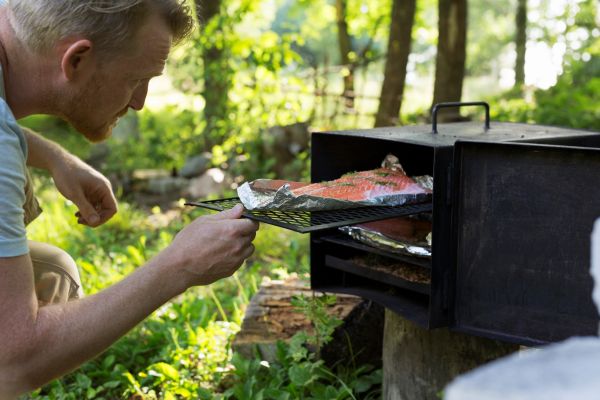
The timing of World Food Safety Day is particularly fitting for Finland. As summer begins, Finns head to their cottages. With more than 500,000 summer cottages across the country, outdoor cooking, barbecues and simple holiday meals become part of everyday life.
Warm weather and cottage conditions also make food safety more important than ever. Keeping food properly chilled, ensuring clean drinking water, preventing cross-contamination and storing food at safe temperatures all require a little extra attention.
For food industry professionals, these practices are second nature. But the basic principles are easy for everyone to follow. WHO’s advice remains as relevant as ever: keep clean, separate raw and cooked foods, cook thoroughly, keep food at safe temperatures, and use safe water and safe raw ingredients.
Safe food is never something to take for granted. It is built through expertise, responsibility and thousands of everyday choices – from the food industry to our own kitchens. Each of us has a part to play in keeping it that way.