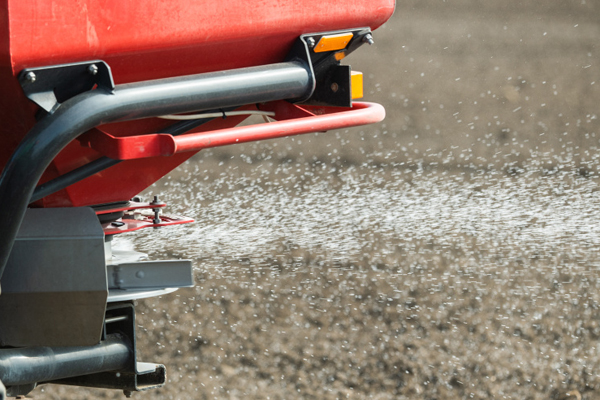
Finnish Food and Drink Industries Federation (ETL) urges European Union to reduce its dependence on imported fertilizers and increase fertilizer production within EU. Europe must strengthen its self-sufficiency in strategic food-sector inputs such as fertilizers.
European Commission’s Fertilizer Action Plan, published in May, identifies key challenges facing the food system, but concrete measures to improve fertilizer self-sufficiency need to be accelerated.
Reducing dependence on imported fertilizers became a topic of discussion in the EU following the COVID-19 pandemic and Russia’s war of aggression against Ukraine, but practical measures were largely lacking. Now, concerns over fertilizer availability have resurfaced due to the crisis in the Persian Gulf.
According to ETL, emergency measures are now necessary to ease the acute situation facing primary production. However, it is especially important to establish long-term incentives for increasing low-carbon fertilizer production in Europe.
EU industrial and climate policies must rapidly accelerate investments in green hydrogen processing and green ammonia production. Hydrogen-based, low-carbon fertilizer solutions should be recognized in the implementation of the EU Bioeconomy Strategy and in EU funding instruments supporting the clean transition.
ETL says that investments in biogas plants must also be promoted swiftly in line with the EU Bioeconomy Strategy. The opportunities related to nutrient recycling based on bio-based raw materials should be recognized as part of the upcoming EU circular economy legislation.
Policymaking must safeguard at the same time the cost competitiveness of the food chain, create conditions needed for investments, and support transition towards more sustainable production methods.
Further information