
Food products that carry old packaging labels may no longer be sold after September of this year.
The EU Empowering Consumers for the Green Transition, commonly known as the “Greenwashing Directive”, aims to prevent misleading marketing and thus stregthen consumer trust. While the objectives of this new regulation are important, its implementation should still rely on common sense and, where needed, national consideration.
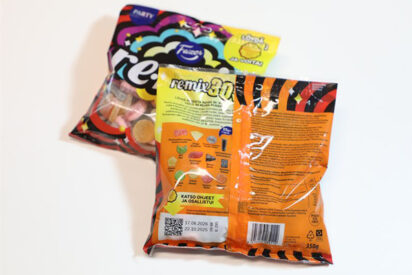
Food packages include a wide range of labels related to the origin, contents and production methods of ingredients and products. This gives consumers the opportunity to make sustainable choices in their daily lives. The regulation introduces significant changes, as from 27 September 2026 onwards, consumer products and packaging must comply with the new labelling requirements. As a result, products manufactured before the deadline may no longer be sold after September if they contain labels or claims that are not compliant with the new rules.
For many food products, this would mean withdrawing them from the market, leading to the unnecessary disposal of fully edible food. This cannot be considered reasonable, even in light of the Directive’s objectives. Selling through existing stock is typically allowed under EU product legislation, but in the case of the Empowering Consumers for the Green Transition Directive, this option appears highly uncertain.
Companies are now reviewing their extensive product ranges, even though many of the definitions remain open to interpretation. Not all packaging changes can possibly be completed by September, creating a risk of unnecessary waste and significant costs.
To avoid harmful environmental impacts that run counter to the Directive’s objectives, as well as substantial economic impacts for companies, it is essential at the EU level to grant a sufficient transition period and provide clear guidance. If this does not happen, Finland must have the courage to make sensible decisions. In national implementation, it should be ensured that products already manufactured can be sold for at least six months beyond September. A bold approach would demonstrate that resources are being used responsibly. Let us not throw away good food, as the Finnish principle also advises.
Picture: Shutterstock