
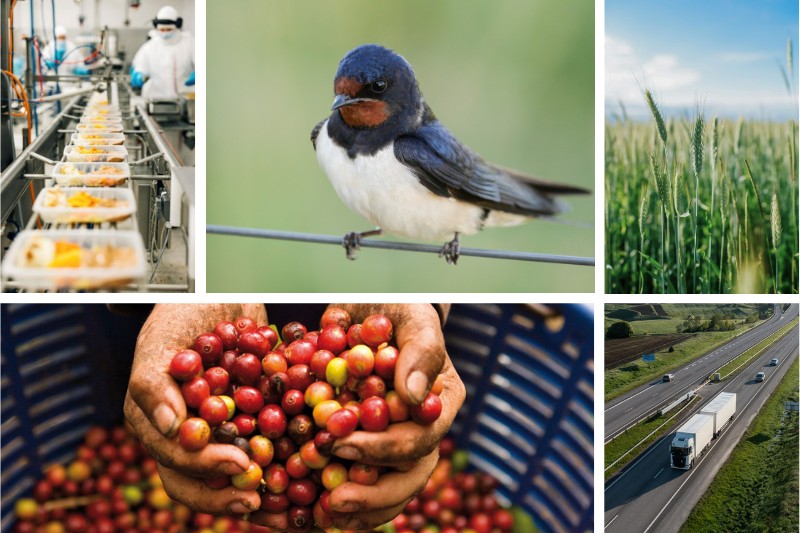
The Finnish food industry has set a goal to halt biodiversity loss within its own operations by 2040. The biodiversity handbook published today by the Finnish Food and Drink Industries’ Federation (ETL) defines the guidelines for the sector’s biodiversity work and provides examples and tools to strengthen companies’ efforts.
The food industry is exceptionally dependent on nature’s carrying capacity and the raw materials it provides, while at the same time its operations inevitably impact the state of nature. Therefore, the sector has taken an active role in safeguarding biodiversity. Many Finnish food and beverage companies are already engaged in long-term biodiversity work, but there is also a need for clear targets and lessons learned from best practices already implemented.
The biodiversity handbook published today sets a common goal for the sector and defines concrete guidelines that help companies strengthen their biodiversity efforts, develop risk management, manage their impact on nature, and safeguard nature’s carrying capacity for future generations.
– We have defined a shared goal for the sector: to ensure that by 2040, the industry’s activities do not cause biodiversity loss. In addition to discussing negative impacts, we want to highlight solutions and positive examples and encourage collaboration across the entire food chain, says Mari Raininko, Senior Regulatory Affairs Manager at the Finnish Food and Drink Industries’ Federation.
The biodiversity handbook helps companies integrate biodiversity into business development and presents examples and best practices of work already carried out.
– The food industry also wants to set an example for other sectors on how companies can be encouraged to take practical actions to protect biodiversity, Raininko says.
The biodiversity handbook supports the national food strategy
The food industry’s biodiversity goal is based on the objective set out in the national food strategy to maintain and strengthen nature’s carrying capacity, and it supports the implementation of Finland’s international commitments.
Private financing and corporate actions play an important role in combating biodiversity loss and in achieving the targets of the EU Restoration Regulation in Finland.
– To promote corporate investments in biodiversity, clear rules, financial incentives, and market-based models, such as a voluntary biodiversity value market, are needed, Raininko states.
ETL has proposed that expenses incurred to prevent or mitigate climate and environmental impacts arising from business activities should be defined as tax-deductible in corporate taxation. This would encourage companies to invest in voluntary biodiversity values, pilot projects, and other climate- and nature-positive actions.
The biodiversity handbook has been prepared by One Planet in cooperation with the Finnish Food and Drink Industries’ Federation and its member companies.
More information